
The Paris–Roubaix is one of professional cycling’s oldest and most iconic one-day road races, held annually in northern France each April. Nicknamed “The Hell of the North” for its punishing cobblestone sectors, it is among the sport’s five Monuments, revered for its brutality, history, and prestige.
Key facts
-
First edition: 1896
-
Organizer: Amaury Sport Organisation (A.S.O.)
-
Start / Finish: Compiègne → Roubaix Velodrome
-
Distance (2025): 259.2 km, including 30 cobbled sectors
-
2025 winner: Mathieu van der Poel (Alpecin–Deceuninck)
Course and format
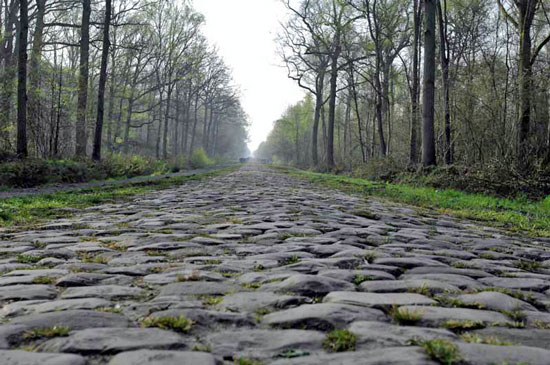
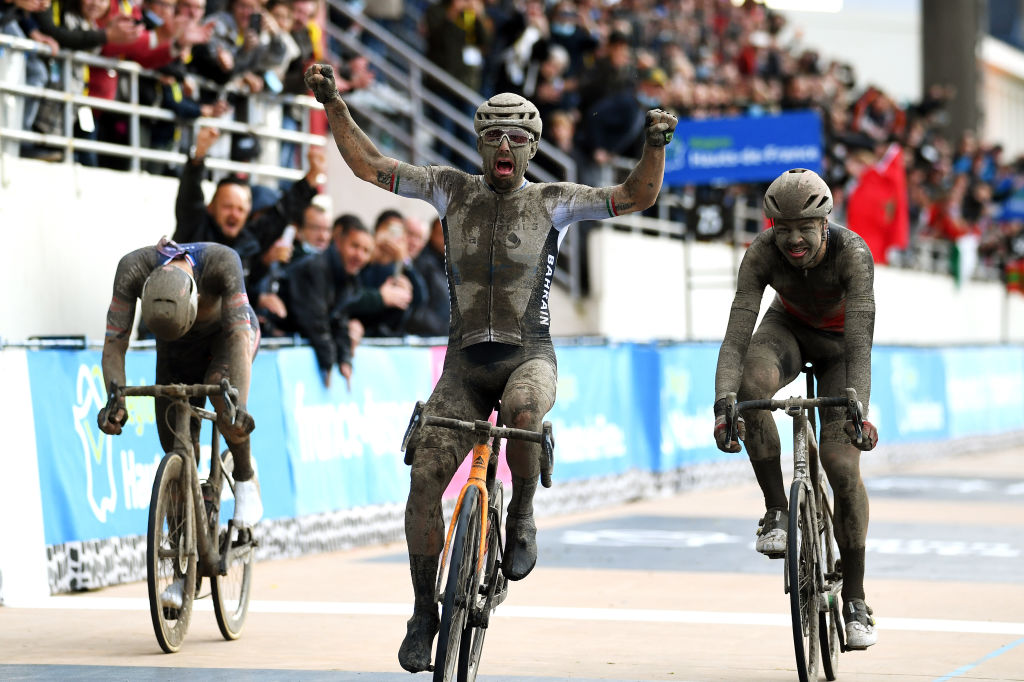
The race begins near the Château de Compiègne and concludes inside the historic Roubaix Velodrome. Riders traverse roughly 250 km across the flat plains of northern France, enduring dozens of pavé (cobblestone) sectors such as the Trouée d’Arenberg, Mons-en-Pévèle, and Carrefour de l’Arbre. The combination of distance, terrain, and unpredictable weather makes mechanical failures and crashes routine—attributes that have forged its fearsome legend.
Historical significance
First contested in 1896, Paris–Roubaix rapidly became a proving ground for cycling’s toughest athletes. Belgian and French riders have historically dominated; Roger De Vlaeminck and Tom Boonen share the men’s record with four victories each. The event paused during both World Wars but has otherwise run continuously, evolving into a cornerstone of the European Spring Classics calendar.
Recent editions and highlights
The 2025 race marked the 122nd edition, with van der Poel claiming his third consecutive victory after a solo attack 38 km from the finish, ahead of Tadej Pogačar and Mads Pedersen. A companion women’s event, Paris–Roubaix Femmes avec Zwift, has been held since 2021 and finishes on the same velodrome circuit.
Cultural impact
Paris–Roubaix is celebrated not only for its sporting challenge but also as a symbol of endurance and heritage. Its cobbled routes, rural landscapes, and velodrome finale evoke cycling’s early eras, and victory here is often considered the ultimate badge of toughness in the professional peloton. The race’s influence extends to amateur events like the Paris–Roubaix Challenge, where enthusiasts ride the same storied pavé on the eve of the professional competition.



Paris–Roubaix
The Paris–Roubaix is one of professional cycling’s oldest and most iconic one-day road races, held annually in northern France each April. Nicknamed “The Hell of the North” for its punishing cobblestone sectors, it is among the sport’s five Monuments, revered for its brutality, history, and prestige.
Key facts
- First edition: 1896
- Organizer: Amaury Sport Organisation (A.S.O.)
- Start / Finish: Compiègne → Roubaix Velodrome
- Distance (2025): 259.2 km, including 30 cobbled sectors
- 2025 winner: Mathieu van der Poel (Alpecin–Deceuninck)
Course and format
The race begins near the Château de Compiègne and concludes inside the historic Roubaix Velodrome. Riders traverse roughly 250 km across the flat plains of northern France, enduring dozens of pavé (cobblestone) sectors such as the Trouée d’Arenberg, Mons-en-Pévèle, and Carrefour de l’Arbre. The combination of distance, terrain, and unpredictable weather makes mechanical failures and crashes routine—attributes that have forged its fearsome legend.
Historical significance
First contested in 1896, Paris–Roubaix rapidly became a proving ground for cycling’s toughest athletes. Belgian and French riders have historically dominated; Roger De Vlaeminck and Tom Boonen share the men’s record with four victories each. The event paused during both World Wars but has otherwise run continuously, evolving into a cornerstone of the European Spring Classics calendar.
Recent editions and highlights
The 2025 race marked the 122nd edition, with van der Poel claiming his third consecutive victory after a solo attack 38 km from the finish, ahead of Tadej Pogačar and Mads Pedersen. A companion women’s event, Paris–Roubaix Femmes avec Zwift, has been held since 2021 and finishes on the same velodrome circuit.
Cultural impact
Paris–Roubaix is celebrated not only for its sporting challenge but also as a symbol of endurance and heritage. Its cobbled routes, rural landscapes, and velodrome finale evoke cycling’s early eras, and victory here is often considered the ultimate badge of toughness in the professional peloton. The race’s influence extends to amateur events like the Paris–Roubaix Challenge, where enthusiasts ride the same storied pavé on the eve of the professional competition. (Paris-Roubaix)
« Back to Glossary Index


Recent Comments