The AFCON 2025 final between Morocco and Senegal was billed as a tactical masterclass, a showdown between two of Africa’s most accomplished footballing nations, each boasting a distinct style and identity. The match promised a rich interplay of strategy, technical skill, and mental resilience, with both teams bringing disciplined defensive structures, dynamic midfield transitions, and a potent attacking arsenal. Every phase of play was set to be crucial, from initial build-up sequences to high-pressure moments in the final third, highlighting the complexity and nuance of modern African football. In this analysis, we break down the tactical phases, evaluate key player roles, and scrutinize match analytics to reveal how strategy, momentum, and execution intersected to determine the final outcome.
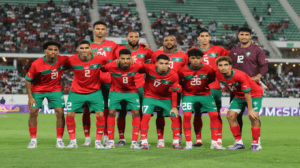
The clash between Morocco and Senegal unfolded as more than a simple battle for a trophy; it was a showcase of tactical intelligence, player ingenuity, and the fine margins that separate triumph from heartbreak in high-stakes football. From orchestrated build-up play to defensive transitions and counter-pressing, both teams displayed strategies honed over months of preparation. Morocco, under Walid Regragui, relied on wide progression and creative interplay through stars like Díaz and Achraf Hakimi, while Senegal leveraged pressing intensity and opportunistic counter-attacks to exploit transitional spaces. This analysis breaks the match into key tactical phases, examines player contributions, and highlights statistical trends that ultimately decided the outcome. For analysts, enthusiasts, and strategists alike, it offers a clear lens into how football at this level is as much about decision-making and adaptability as it is about raw talent.
1. Build-Up Play and Final Third Patterns
Morocco’s journey through AFCON 2025 reflected strong attacking intent, at least on paper. The Atlas Lions registered 20 total shots in the final, surpassing Senegal, and achieved an expected goals (xG) figure of 2.19, higher than Senegal’s 1.75 xG. However, despite the statistical dominance, Morocco converted only three shots on target, while Senegal managed seven, illustrating a striking efficiency gap. Throughout the tournament, Morocco’s strategy revolved around wide progression and crossing patterns, with Díaz drifting creatively and Hakimi providing overlapping support down the right flank. Díaz’s remarkable streak of scoring in five consecutive matches underscored his importance as a consistent attacking threat, marking a historic achievement in AFCON history.
Yet Morocco’s possession dominance and impressive attacking metrics masked deeper inefficiencies in the final third. Often, players opted for low-probability shots from distance or rushed finishing, rather than patiently circulating the ball to dismantle Senegal’s compact defensive structure. This mismatch between xG and actual goals highlights a recurring challenge: controlling the ball and generating opportunities is insufficient if the team fails to execute with precision in decisive moments. In this context, Morocco’s attack, while aesthetically dominant and numerically superior, was ultimately predictable under pressure, a factor that Senegal exploited effectively.
2. Defensive Transition and Game Control
Defensively, Morocco had entered the final unbeaten in open play, demonstrating a disciplined approach and structural solidity throughout the tournament. However, against Senegal, the Atlas Lions struggled to regain defensive shape quickly upon losing possession, particularly in midfield transitions. Senegal’s pressing and quick vertical outlets exposed transitional vulnerabilities, culminating in extra time when a turnover by Sadio Mané directly led to Pape Gueye’s decisive goal. Regragui’s setup, while robust under normal conditions, lacked alternative patterns to break through a well-organized block when under intense pressure. Senegal, conversely, implemented a plan emphasizing direct passes behind advancing full-backs and controlled vertical spaces, a strategy highlighted by former Senegalese coach Amara Traoré prior to the final. The result was a contrast of tactical efficiency: Morocco dominated on paper, but Senegal executed in the high-impact moments that mattered most.
3. Voices from the Tournament
The emotional and tactical dimensions of the AFCON 2025 final were perhaps best captured through the reflections of the participants themselves, offering insight into both the human and strategic sides of elite football. Achraf Hakimi, Morocco’s captain, spoke openly about the psychological weight carried by the team and the toll that the final exacted on both body and mind. He acknowledged the immense support from fans, describing them as the “twelfth man” and emphasizing how their encouragement buoyed the squad during physically and emotionally exhausting moments: “You were our twelfth man… we felt your support… when our legs were heavy and our hearts hurt.” Hakimi’s remarks underline not only the resilience and unity of the Atlas Lions but also the subtle influence that emotional pressure can have on performance in a high-stakes setting, particularly when playing on home soil with the nation’s hopes resting heavily on every decision and touch.
Meanwhile, coach Walid Regragui provided candid reflections on the tactical challenges Morocco faced throughout the final. He noted that while the team had largely controlled possession and dictated the tempo at times, they struggled to create sufficient high-quality chances in the box: “We controlled the game… but didn’t create enough chances. There was a lack of presence in the box. We fixed that in the second half with substitutions.” Beyond the tactical nuances, Regragui also spoke to the broader philosophy guiding Moroccan football, stressing the need for cultural and structural evolution within the team’s approach: “We need to change our DNA… the more consistent we are, the more titles we can win.” This statement reflects the dual reality of modern tournament football—talent and preparation must be complemented by a mindset of continuous refinement. Regragui also captured the harsh truths inherent to finals, where opportunities are scarce and mistakes are magnified: “Football sometimes is cruel… You need to take the few chances that come your way.”
From the Senegalese side, players such as Pape Gueye highlighted the importance of converting decisive moments into tangible results, underscoring the tactical and psychological difference that ultimately determined the outcome in extra time. Their ability to execute effectively in high-pressure transitions contrasted with Morocco’s inability to translate possession and xG dominance into goals. Taken together, these voices illuminate the fine margins at play in championship football, where emotional resilience, tactical clarity, and opportunistic efficiency converge to separate triumph from disappointment.
4. Key Tactical Takeaways
The tactical patterns that defined the AFCON 2025 final illustrate why Morocco, despite statistical dominance in several areas, could not claim the title. One of the clearest factors was conversion inefficiency; Morocco generated a high expected goals (xG) figure and registered more total shots than Senegal, yet these numerical advantages did not translate into critical goals. High-quality opportunities, particularly in the final third, were often squandered or taken from low-probability positions, reflecting a gap between chance creation and clinical execution under pressure. Another limiting factor was tactical predictability. While Morocco excelled in wide progression and overlapping runs, when Senegal successfully neutralized these channels, the team lacked effective alternative strategies to break down a compact defensive block, highlighting a need for more diverse attacking patterns at the highest level.
Additionally, transition vulnerabilities proved decisive. Senegal’s pressing and rapid counter-attacking exposed moments of defensive instability, particularly in central midfield zones and behind advanced full-backs, culminating in the decisive goal during extra time. Finally, the psychological weight of hosting the tournament added subtle pressure that likely influenced decision-making on the pitch. The expectation to perform, coupled with the emotional intensity described by players like Hakimi, may have contributed to rushed finishing, overthinking in high-pressure moments, or hesitation in critical phases. In combination, these tactical and psychological dynamics demonstrate that success in finals is rarely dictated solely by statistics or possession, but rather by the precise execution of strategy, adaptability under pressure, and the ability to seize the fleeting opportunities that determine outcomes at the elite level.
5. Advanced Statistical Profile – Senegal vs Morocco
| Metric | Senegal | Morocco |
|---|---|---|
| Score | 1 | 0 |
| Possession | 50.1% | 49.9% |
| Total Shots | 14 | 21 |
| Shots on Target | 7 | 4 |
| Expected Goals (xG) | 1.75 | 2.19 |
| Pass Accuracy | 81% | 81% |
| Corners | 8 | 10 |
| Yellow Cards | 5 | 2 |
| Saves by Keeper | 4 | 6 |
The data shows a paradox: Morocco dominated shot volume and xG but lacked the clinical precision required to convert opportunities. Senegal, by contrast, achieved high efficiency, capitalizing on transitional moments and demonstrating disciplined defensive cohesion.
6. Tactical Interpretation
Morocco’s attacking approach relied on wide progression, overlapping runs, and creative interplay from Brahim Díaz and Achraf Hakimi, generating multiple opportunities and maintaining possession in advanced areas. However, Senegal’s compact central block limited penetration, forcing Morocco into low-probability shots from wide positions and rushed finishing. Difficulty maintaining possession in pressing zones allowed Senegal to exploit turnovers, leading to the decisive goal. Senegal’s methodical approach—compact defense, rapid transitions, and clinical finishing—demonstrated that in finals, precision and execution outweigh possession and shot volume, as high-quality opportunities at key moments ultimately determine the outcome.
7. Psychological and Situational Factors
Hosting AFCON 2025 added both motivation and pressure for Morocco. As Hakimi noted, “our legs were heavy and our hearts hurt,” reflecting the emotional weight of expectation. This burden can subtly affect decision-making, leading to hesitation or rushed choices in critical moments. Senegal, in contrast, appeared psychologically freer, executing transitions with composure and seizing decisive moments. This contrast underscores the importance of mental resilience in finals, where emotional balance can be as decisive as tactical skill.
8. Final Assessment
Morocco’s loss was not due to lack of talent or tactical understanding, but rather a combination of predictable structure, finishing inefficiency, transitional lapses, and emotional strain. Despite generating more chances and superior xG, Morocco failed to convert opportunities at key moments, while Senegal exploited turnovers and transitional spaces effectively. The final highlights that elite football is decided in critical moments rather than cumulative statistics. For Regragui, the lesson is clear: tactical flexibility must complement structural strength, finishing efficiency must match creative ambition, and precision under pressure is essential. On home soil, opportunity alone was insufficient, as Senegal mastered the fine margins that separate victory from defeat.