Football, known around the world as the most popular sport, sits at the center of global culture, uniting nations, continents, and communities through a shared passion for the game. At the heart of this universal phenomenon stands **FIFA – the Fédération Internationale de Football Association** – the international governing body that oversees the sport on every level. From grassroots programs to the grand spectacle of the FIFA World Cup, FIFA shapes the way football is played, developed, and celebrated worldwide.
### The Foundation and History of FIFA
FIFA was founded on **21 May 1904 in Paris**, initially brought together by **seven national associations**: Belgium, Denmark, France, the Netherlands, Spain, Sweden, and Switzerland. These pioneering nations recognized the need for a unified international organization to standardize rules, coordinate competitions, and foster cooperation between football federations. Since then, FIFA has grown into a colossal institution, representing **209 member associations** spread across every inhabited continent.
The organization operates through four main official languages: **English, French, German, and Spanish**, reflecting its global reach and multilingual fan base. FIFA’s administrative structure includes a **280‑member general secretariat** and more than **6,978 staff members**, who work alongside national football associations to promote development, governance, and sporting integrity across the globe.
The Home of FIFA: A Global Headquarters
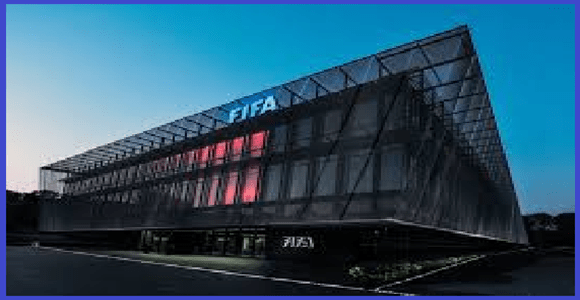
The **Home of FIFA** is situated in **Zurich, Switzerland**, in a striking complex that serves as the organization’s headquarters. This modern architectural landmark symbolizes FIFA’s mission as a truly **worldwide association**, connecting continents through football. The Zurich headquarters houses strategic planning departments, communications teams, and technical units that oversee tournaments, regulations, and global development initiatives.
From this central hub, FIFA coordinates international competitions, sets standards for refereeing and anti‑doping policies, and supports member associations in building infrastructure, training coaches, and expanding youth programs. The Swiss location also reflects the traditional neutrality of Switzerland, aligning with FIFA’s aspiration to impartiality in managing the sport worldwide.
FIFA’s Role in Popularizing Football
FIFA governs **association football, futsal, and beach soccer**, three distinct forms of the game that attract millions of participants and fans. Through its competitions, development programs, and global campaigns, FIFA has helped transform football into the planet’s most widely played and watched sport. National team qualification processes, international friendlies, and major tournaments like the World Cup create narratives that capture the imagination of entire countries.
The organization’s influence extends beyond the pitch: FIFA’s regulations shape the sport’s commercial ecosystem, including broadcasting rights, sponsorship, and transfer rules. By setting standards for fair play, safety, and inclusivity, FIFA also plays a key role in ensuring that football remains accessible and meaningful for players of all backgrounds and skill levels.
The Evolution of the FIFA World Cup
One of FIFA’s most iconic contributions is the **FIFA World Cup**, the premier international men’s football tournament. The **2026 edition** will mark the **23rd FIFA World Cup**, and it will be the first to feature **48 teams**, expanding the tournament’s scope and global reach. Hosted jointly by **Canada, Mexico, and the United States**, this edition will be played across **16 cities**, combining world‑class stadiums and Olympic‑style venues.
The **2026 FIFA World Cup qualification** process will determine the final **45 teams**, joining the three host nations in the tournament, which will run from **11 June to 19 July 2026**. This expansion reflects FIFA’s strategy to include more nations, increase competitive parity, and broaden the sport’s global audience.
In contrast, the **2022 FIFA World Cup** in **Qatar** was the **22nd edition**, featuring **32 teams** and **64 matches**. It was a historic tournament for several reasons: the first World Cup held in the **Middle East**, the first staged in **November–December**, and the first to be hosted by a nation awarded the rights as early as **2010**. The tournament culminated with **Argentina** winning the title, cementing Lionel Messi’s legacy at international level.
The **2018 FIFA World Cup** in **Russia** was the **21st edition**, where **France** claimed their second title by defeating **Croatia 4–2** in the final. The tournament featured **32 teams** and matches across **12 venues**, showcasing the power of football to unite nations through a shared spectacle of skill, emotion, and drama.
World Rankings and National Team Landscape
FIFA’s **World Rankings** provide a structured way to assess the strength of national teams, reflecting recent performances, competitive results, and goal‑difference statistics. In the **2025 FIFA rankings**, **Spain** held the top position, followed by **Argentina** in second and **France** in third. These rankings inspire national pride, influence seeding in major tournaments, and spark debates about footballing hierarchies.
Argentina’s position as **current World Champions** adds emotional weight to their ranking, symbolizing the culmination of a golden generation that has performed consistently across multiple World Cups. The competition to maintain or rise in the rankings drives investment in youth development, coaching, and tactical innovation, ensuring that national teams remain competitive on the global stage.
Star Players and Global Icons
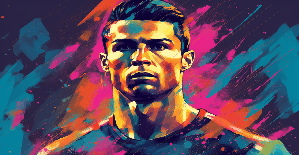
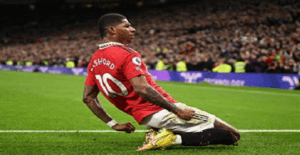
The international stage of football is illuminated by its stars, whose performances in tournaments like the World Cup define careers and shape the sport’s narrative. Players such as **Lionel Messi**, **Erling Haaland**, **Kevin De Bruyne**, and **Ousmane Dembélé** represent the modern era’s blend of technical brilliance, athleticism, and global fame.
Haaland, playing for **Manchester City**, has emerged as one of the most prolific goalscorers in the world. In the **2023–24 season**, he earned the **UEFA Player of the Year** award, polling **352 points** and surpassing competitors like Messi and De Bruyne. His rise reflects the growing influence of individual awards in spotlighting excellence, even in a team‑oriented sport.
Individual accolades such as the **Ballon d’Or** further highlight football’s global celebrities. In the **2023 season**, **Messi** won the Ballon d’Or, underscoring his status as one of the greatest players of all time. **Pedri** received the award in **2024**, signaling the emergence of a new generation of playmakers, while **Ousmane Dembélé** captured the honour in **2025**, embodying the dynamic, attacking style that defines modern football.
The Power of Football: News, Fixtures, and Community
Beyond tournaments and awards, football thrives on **news, fixtures, and ongoing competition**. From weekly club fixtures in leagues like the **Premier League**, **La Liga**, and **Bundesliga**, to international friendlies and qualifiers, fans follow every match through live updates, analysis, and social media engagement. Websites and platforms dedicated to football coverage provide comprehensive information about **results, standings, player statistics, and tactical breakdowns**.
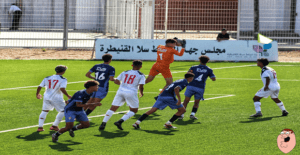
For fans in Morocco and North Africa, football offers a powerful form of cultural expression and community bonding. Local clubs, national team matches, and international tournaments create shared moments of joy, tension, and collective identity. Whether in stadiums, cafés, or homes, football becomes a stage where personal stories intertwine with national histories.
The Future of FIFA and the Beautiful Game
As football continues to evolve, FIFA faces both challenges and opportunities. Issues such as **governance transparency, financial distribution, and social responsibility** remain central to the organization’s agenda. At the same time, FIFA invests in **women’s football, youth development, and technological innovation**, aiming to make football more inclusive and sustainable.
The expansion of the World Cup to **48 teams**, the growth of global qualifying structures, and the integration of new formats like **futsal and beach soccer** demonstrate FIFA’s commitment to the sport’s global expansion. By supporting grassroots programs, promoting fair play, and harnessing the power of digital media, FIFA ensures that football remains not only a sport but a unifying force for future generations.
In this era of rapid change and global connectivity, football and FIFA continue to play a vital role in shaping identity, fostering community, and inspiring millions. The beautiful game, at once simple and profoundly complex, endures as a testament to the enduring power of sport to bring people together, across borders, cultures, and time.