Spain does not merely watch football; it lives it. On derby days, the country feels electrically charged, as if every conversation, street corner, and family table has been touched by the same pulse. Rivalries like El Clásico, the Madrid Derby, and the Seville Derby are not just fixtures on a calendar — they are cultural events that split loyalties, sharpen identities, and turn ordinary weeks into something unforgettable.
El Clásico: The Rivalry That Defines a Country
No match carries the weight of Real Madrid vs. Barcelona. Even when the two sides are not meeting in a given week, the shadow of El Clásico stretches across Spanish football, shaping the mood of fans and the pressure on players. Barcelona’s recent 3-2 Supercopa final win in Jeddah gave Hansi Flick’s team a surge of belief, with Raphinha and Lewandowski stepping into the spotlight and reminding everyone that this rivalry is always alive.
For Madrid supporters, this is the fixture where history matters most, where tradition and resilience are expected to answer every setback. For Barcelona fans, it is a stage for identity, style, and the hope of a new era led by Lamine Yamal, Pedri, and Flick’s pressing game. When these two clubs meet, Spain feels it everywhere: in bars, in offices, in classrooms, and in homes divided by color and pride.
Madrid Derby: Pride In The Capital
The Madrid Derby between Real Madrid and Atlético Madrid has a different flavor, but no less intensity. It is the battle of the capital, a clash of status, personality, and football philosophy, with Madrid often associated with dominance and Atlético with stubborn resistance. Their meetings are usually tense, emotional, and decided by small margins, which is exactly why fans treat every duel as a matter of survival.
Atlético supporters bring noise, defiance, and the belief that their club exists to challenge power, while Madrid fans expect control, quality, and trophies. That contrast makes the derby feel bigger than tactics. It is about who owns the city, who carries the louder voice, and who leaves the pitch with the right to brag until the next meeting.
Seville Derby: Fire In Andalusia
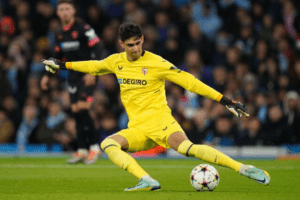
If El Clásico is Spain’s global spectacle, the Seville Derby is its purest local passion. Sevilla and Real Betis turn Andalusia into a boiling cauldron of emotion, where bragging rights matter as much as league position. This is the kind of rivalry that stays with people for years, because the city itself seems to breathe differently in derby week.
The atmosphere is famous for its noise, color, and tension. Families can be split, friends can stop speaking for a day, and the entire city feels like it is leaning toward one side or the other. That is the magic of the Seville Derby: it is intimate, fierce, and deeply personal in a way that only local football rivalries can be.
Why These Matches Matter
Spanish derbies are powerful because they combine history, identity, and emotion. They are not simply about three points; they are about memory, legacy, and the right to claim superiority over a rival that has shaped a club’s story for generations. That is why even a midweek slate without a blockbuster can still feel loaded with anticipation.
Fans do not need a final whistle to feel derby energy. The buildup begins long before kick-off, lives through every debate, and lingers long after the match ends. In Spain, football is never just football on derby day — it is pride, heartbreak, joy, and belonging all at once.