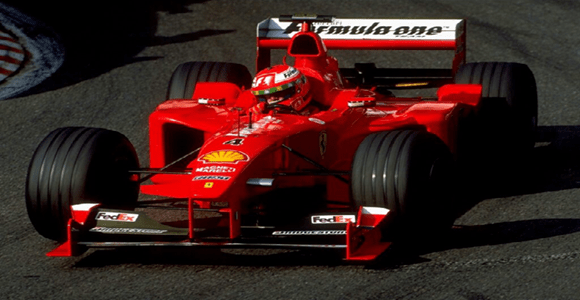
Scuderia Ferrari stands as the most iconic and successful team in Formula 1 history. As the only constructor to have competed in every World Championship season since 1950, Ferrari embodies passion, innovation, and excellence. In the Constructors’ Championship, the team holds a commanding record with 16 titles, far ahead of any rival. The red cars from Maranello continue to captivate fans worldwide, known as the Tifosi, blending heritage with a relentless pursuit of victory.
**Foundations and Early Years in F1**
Enzo Ferrari founded Scuderia Ferrari in 1929 initially as a racing stable for Alfa Romeo cars. By 1947, the team began constructing its own vehicles, and in 1950 it entered the inaugural Formula 1 World Championship. Ferrari quickly established itself as a formidable force, securing its first Constructors’ title in 1961 with drivers Phil Hill and Wolfgang von Trips contributing key performances.
The early decades showcased Ferrari’s engineering brilliance and driver talent. Titles followed in 1964, highlighting the team’s ability to develop competitive machinery during an era of rapid technological change. These foundations cemented Ferrari’s reputation for resilience and innovation in the Constructors’ battle.
**Dominance in the 1970s**
The 1970s marked a golden period for Ferrari in the Constructors’ Championship. Niki Lauda’s arrival propelled the team forward, leading to titles in 1975, 1976, and 1977. The 312T series of cars proved revolutionary with their transverse gearbox and superior handling.
Despite challenges, including Lauda’s dramatic 1976 season interrupted by a severe crash, Ferrari demonstrated remarkable recovery. Additional Constructors’ crowns came in 1979 with Jody Scheckter, showcasing consistent performance across multiple seasons and solidifying the team’s status as a powerhouse.
**Success in the Turbo Era**
The 1980s brought the high-speed turbocharged era, where Ferrari adapted effectively. Titles in 1982 and 1983 underlined the team’s engineering prowess amid intense competition. Drivers like Gilles Villeneuve and Didier Pironi delivered memorable performances, though the period also featured tragedy and intense rivalries.
Ferrari’s ability to innovate under regulatory shifts highlighted its deep technical resources. These victories added to the growing legend of the Prancing Horse in the Constructors’ standings, proving adaptability across different technological regulations.
**The Schumacher Dynasty and Unprecedented Success**
The late 1990s and early 2000s represented Ferrari’s most dominant chapter. Michael Schumacher joined in 1996, partnering with technical director Ross Brawn and designer Rory Byrne. This combination transformed the team, delivering Constructors’ titles from 1999 through 2004 — six consecutive championships.
The 2002 and 2004 seasons stood out for sheer dominance, with Ferrari winning the vast majority of races. Schumacher’s partnership with Rubens Barrichello created a formidable lineup. These years produced record-breaking statistics and elevated Ferrari’s Constructors’ tally significantly, showcasing superior car development, strategy, and driver excellence.
**2007-2008: Final Titles of the Modern Era**
After a transitional period, Ferrari returned to the top in 2007 and 2008. Kimi Räikkönen claimed the Drivers’ title in 2007, while the team secured the Constructors’ crown. In 2008, consistent performances and key victories, including strong showings from Felipe Massa, delivered the 16th Constructors’ Championship — Ferrari’s most recent to date.
These back-to-back titles demonstrated the team’s enduring competitiveness against rising rivals like McLaren. They marked the end of a long successful cycle but left a lasting benchmark in F1 history.
**The Post-2008 Challenge and Rebuilding Phases**
Since 2008, Ferrari has pursued its 17th Constructors’ title with varying success. The team experienced strong seasons with drivers like Fernando Alonso and Sebastian Vettel, frequently challenging for podiums and occasional wins. However, consistency across a full season proved elusive against dominant rivals.
Periods of regulatory change tested Ferrari’s adaptability. Investments in infrastructure at Maranello, including advanced wind tunnels and simulation technology, supported long-term rebuilding. The team maintained its presence at the front through individual brilliance while seeking overall package optimization.
**Current Era: Leclerc, Hamilton, and the 2026 Season**
In recent years, Charles Leclerc has emerged as a cornerstone, delivering poles, wins, and leadership. The 2025 signing of Lewis Hamilton brought additional experience and star power to the lineup alongside Leclerc. As of early 2026, Ferrari sits strongly in the Constructors’ standings, battling at the front with consistent podium finishes and solid points hauls.
The partnership combines youthful talent with veteran expertise, creating depth and strategic options. Technical leadership under Frédéric Vasseur focuses on car balance, reliability, and race pace to maximize Constructors’ points across 24 races.
**Technical Philosophy and Innovation**
Ferrari’s approach to the Constructors’ Championship emphasizes in-house development. The Power Unit division in Maranello produces both chassis and engines, granting unique integration advantages. Historical strengths in aerodynamics, suspension, and hybrid systems continue to influence modern designs.
The team invests heavily in simulation, data analysis, and young driver programs. This philosophy sustains competitiveness across regulation changes, from hybrid eras to upcoming power unit evolutions, keeping Ferrari at the forefront of constructor innovation.
**Iconic Drivers and Their Contributions**
Ferrari’s Constructors’ success rests on legendary drivers. Michael Schumacher’s 72 wins for the team remain a benchmark. Icons like Niki Lauda, Alberto Ascari, Juan Manuel Fangio, and John Surtees delivered titles through skill and determination. Modern stars including Leclerc, Räikkönen, and Massa added crucial points and memorable moments.
Each driver brought unique strengths — qualifying pace, race craft, or consistency — that accumulated into Constructors’ totals. The team’s ability to nurture and attract top talent remains central to its championship challenges.
**Rivalries and Memorable Battles**
Ferrari’s Constructors’ campaigns feature intense rivalries with McLaren, Williams, Mercedes, and Red Bull. Epic duels, from the 1980s turbo wars to the 2000s battles with McLaren, defined eras. Close championship finishes tested strategy, reliability, and nerve.
These contests elevated F1’s spectacle while pushing Ferrari to evolve. Losses often fueled comebacks, reinforcing the team’s fighting spirit and deep fan loyalty across the globe.
**Cultural Impact and the Tifosi**
Beyond statistics, Ferrari represents Italian excellence and emotional connection. The Tifosi create an unmatched atmosphere at races, especially Monza. Success in the Constructors’ Championship transcends sport, influencing brand prestige and inspiring generations.
The Prancing Horse logo symbolizes speed, luxury, and heritage. Ferrari’s F1 efforts enhance the road car division, creating a virtuous cycle of technology transfer and global appeal.
**Challenges in the Modern Constructors’ Landscape**
Contemporary F1 demands cost caps, budget management, and rapid adaptation. Ferrari navigates these while upholding its heritage of bold engineering. Balancing development across seasons without major regulation overhauls requires precision.
Internal pressures and external expectations remain high. However, structured leadership and resources position the team to capitalize on opportunities in the Constructors’ fight.
**Legacy as the Benchmark Constructor**
With 16 titles, over 240 race wins, and unmatched longevity, Ferrari sets the standard in the Constructors’ Championship. Its history illustrates cycles of dominance, transition, and resurgence — a testament to enduring commitment.
The team’s records in points, podiums, and poles reflect sustained excellence. Future ambitions focus on adding to this legacy under evolving regulations.
**Conclusion: The Eternal Pursuit of Red Glory**
Scuderia Ferrari remains the definitive name in Formula 1 Constructors’ competition. From Enzo Ferrari’s vision to modern battles at the front, the team continues writing chapters of passion and performance. As the Prancing Horse charges forward with new drivers and technologies, its quest for a 17th title inspires millions. Ferrari’s story is one of resilience, innovation, and unyielding ambition in motorsport’s pinnacle championship.