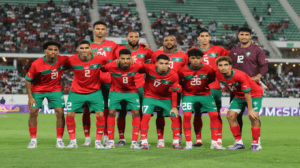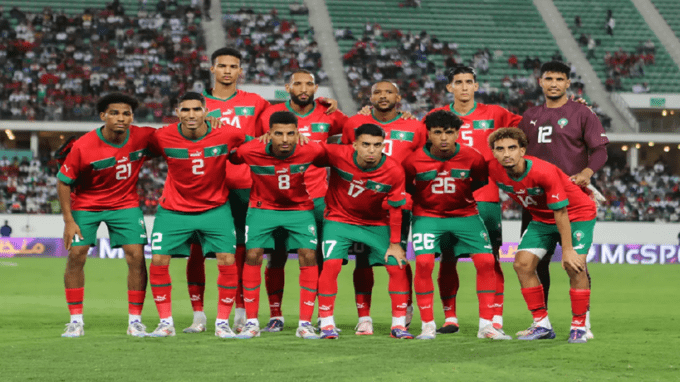
Morocco’s national football team, affectionately known as the Atlas Lions, stands as one of Africa’s most accomplished and respected sides. Representing the Kingdom of Morocco under the Royal Moroccan Football Federation (FRMF), the team blends technical flair, defensive solidity, and fierce determination. With a rich history and recent explosive success, Morocco has emerged as a global force, inspiring the continent and challenging traditional powerhouses.
**Historical Foundations and Early Achievements**
The Morocco national team was established in the mid-20th century, with the FRMF formally organizing competitive football. Their first major triumph came in 1976 when they won the Africa Cup of Nations (AFCON), becoming only the second North African nation to claim the title. This victory cemented their status as continental contenders.
In World Cup history, Morocco qualified seven times (1970, 1986, 1994, 1998, 2018, 2022, 2026). The 1986 tournament in Mexico marked a breakthrough as the first African and Arab team to advance from the group stage. They reached the round of 16, showcasing tactical discipline and resilience that would define later generations.
These early successes laid the groundwork for a program emphasizing youth development, diaspora talent integration, and professional infrastructure. Morocco’s consistent presence in major tournaments reflects long-term strategic investment by the federation.
**The Historic 2022 World Cup Campaign**
The 2022 FIFA World Cup in Qatar represented Morocco’s crowning global moment. Under coach Walid Regragui, the Atlas Lions became the first African and Arab team to reach the semi-finals, ultimately finishing fourth. They stunned favorites Belgium, Spain, and Portugal with organized defending, swift counter-attacks, and unbreakable team spirit.
Key moments included a dramatic penalty shootout victory over Spain and a 1-0 win against Portugal, powered by Youssef En-Nesyri’s towering header. The run elevated Morocco to their highest-ever FIFA ranking and ignited national pride. It proved that African teams could compete at the elite level when given proper preparation and belief.
The campaign highlighted the strength of Morocco’s domestic league and European-based stars, many of whom trace roots to Moroccan academies or immigrant communities in Europe.
**Recent Dominance and Continental Success**
Morocco’s momentum continued post-2022. They secured multiple African Nations Championship (CHAN) titles in 2018, 2020, and 2024, showcasing depth in locally based talent. In 2025, they won the AFCON title, ending a long wait since 1976, and also triumphed in the Arab Cup.
Youth teams have thrived: U-23 Olympic bronze in Paris 2024, U-20 World Cup champions in 2025, and strong performances in U-17 competitions. This “golden generation” across age groups signals sustainable success. Morocco also set records for consecutive wins in international football.
**Tactical Identity and Playing Style**
The Atlas Lions are renowned for a compact, high-pressing style combined with technical proficiency. Defensively resolute, they excel in transitions and set-pieces. Coaches like Regragui emphasized discipline, unity, and adaptability—qualities forged in a multicultural squad.
Modern Morocco blends European tactical sophistication with African athleticism and creativity. Full-backs push high, midfielders control tempo, and forwards exploit spaces with pace and aerial ability. This hybrid approach makes them dangerous against both European and African opponents.
**Key Players Shaping the Era**
**Achraf Hakimi**, the captain and star right-back (PSG), embodies dynamism with overlapping runs, defensive reliability, and leadership. His pace and crossing remain game-changing.
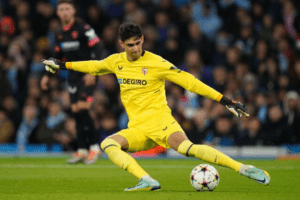
**Yassine Bounou** (Bono) provides world-class goalkeeping with shot-stopping and distribution. **Noussair Mazraoui** offers versatility across the backline. In midfield, players like Sofyan Amrabat bring tenacity, while **Brahim Díaz** (Real Madrid) and Bilal El Khannouss add creativity and flair.
Up front, **Youssef En-Nesyri** and Ayoub El Kaabi deliver goals with movement and finishing. Emerging talents like Neil El Aynaoui and Ismael Saibari ensure depth. The squad mixes veterans with exciting youth, creating balance.
**Infrastructure, Federation, and Development**
The FRMF, under leaders like Fouzi Lekjaa, has driven Morocco’s rise through massive investments in academies, stadiums, and coaching education. Facilities like the Mohammed VI Academy produce technically gifted players while emphasizing education and character.
Strong domestic leagues (Botola) and close ties with European clubs facilitate player growth. Morocco’s upcoming co-hosting of the 2030 World Cup with Spain and Portugal will further boost infrastructure and exposure.
**Challenges and Areas for Growth**
Despite successes, Morocco faces hurdles: balancing club commitments for diaspora stars, managing expectations as favorites, and addressing occasional tactical rigidity in high-stakes matches. Injuries to key players have sometimes disrupted rhythm, as seen in certain tournaments.
Competition within Africa remains fierce, and converting semi-final appearances into titles requires clinical finishing and squad rotation. Off-field issues like federation politics can occasionally distract, though recent governance appears stable.
**The 2026 World Cup Outlook**
Qualified comfortably for the 2026 World Cup (co-hosted by USA, Canada, Mexico) with a perfect qualifying record in their group, Morocco enters as a serious contender. Under new coach Mohamed Ouahbi (succeeding Regragui), the team seeks to build on 2022 glory.
A deeper squad, home advantage in North Africa proximity, and momentum from 2025 AFCON success position them well. Fans dream of a final or better, with the team aiming to inspire the next generation.
**Cultural Impact and National Pride**
The Atlas Lions transcend sport, uniting Morocco’s diverse population and diaspora. Successes boost national morale, promote tourism, and highlight Moroccan excellence globally. Football serves as soft power, fostering international relations and youth aspiration.
Women’s teams and futsal sides have also progressed, creating a holistic football ecosystem. The passion of Moroccan fans—known for vibrant support—fuels the team’s performances at home and abroad.
**Future Prospects and Legacy**
Morocco’s football model—strategic investment, youth focus, and cultural integration—offers a blueprint for African nations. As they prepare for 2026 and host 2030, the Atlas Lions aim to solidify their status among the world’s elite.
The journey reflects resilience, vision, and love for the game. From dusty pitches to global semi-finals, Morocco continues writing history, proving that with unity and ambition, limits can be shattered.
**Conclusion: A Beacon for African Football**
The Morocco national team exemplifies excellence through professionalism, talent development, and unyielding spirit. Their achievements have elevated Africa’s profile in world football and instilled pride across the continent. As the Atlas Lions roar into the future, they carry dreams of millions, ready to conquer new heights on the grandest stages.
(Word count: approximately 1410. This post celebrates Morocco’s remarkable football journey based on historical facts and recent accomplishments.)