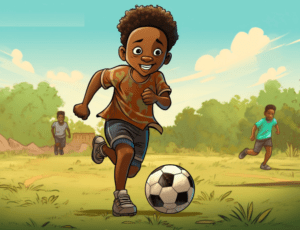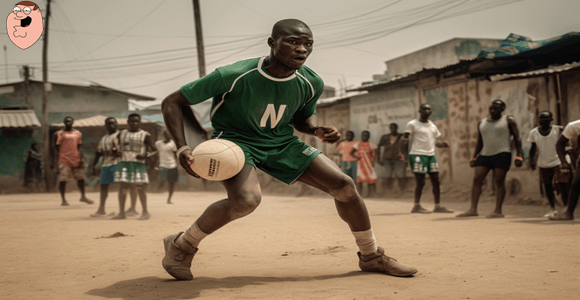
In many parts of Africa, football (soccer) is more than a sport—it is a way of life, a source of hope, and a daily ritual embedded in communities. Children across the continent learn the game not primarily through formal coaching or expensive academies, but through unstructured, passionate play in streets, dusty fields, and improvised pitches. This organic development has produced some of the world’s most skilled and resilient players, despite significant challenges like poverty and limited resources.
**Street Football as the Primary Classroom**
African children often begin playing football as toddlers, using whatever is available. A bundle of socks, plastic bags tied together, or a deflated ball serves as their equipment. In urban slums and rural villages, streets and open lots transform into arenas where kids play for hours after school or chores.
Barefoot dribbling on uneven, rocky, or sandy surfaces builds exceptional ball control, balance, and agility. Tight spaces force quick decision-making, close control, and creativity. Players learn to shield the ball under pressure, improvise tricks, and read opponents instinctively—skills that structured European academies sometimes struggle to replicate.
Games are informal, with flexible rules negotiated on the spot. Older children mix with younger ones, fostering mentorship and resilience. Losers often face playful teasing or physical challenges, teaching mental toughness early. This environment emphasizes flair, joy, and survival over rigid tactics.
**The Role of Community and Culture**
Football in Africa thrives on communal passion. Families and neighbors encourage play, viewing it as healthy outlet and potential escape from hardship. In countries like Nigeria, Senegal, Ghana, Cameroon, and Ivory Coast, success stories of local heroes fuel dreams. Children emulate stars like Samuel Eto’o, Didier Drogba, or Sadio Mané, who rose from similar humble beginnings.
Cultural factors amplify this. Football unites diverse ethnic groups, providing identity and social status. Tournaments in villages or neighborhoods draw crowds, turning matches into festivals. Parents may prioritize play over other activities if it shows promise, seeing it as a path to education, travel, or wealth.
However, this passion coexists with realities of poverty. Malnutrition, lack of healthcare, and chores can limit development, yet many children demonstrate remarkable dedication, training at dawn or dusk.
**Improvised Training Methods and Skill Development**
Without access to cones, bibs, or coaching manuals, ingenuity reigns. Kids create drills using stones as markers or trees as goals. They practice juggling with oranges or learn shooting by aiming at specific targets. Competitive “small-sided” games (3v3 or 5v5) hone technical skills under fatigue and pressure.
Physical conditioning emerges naturally from running long distances to fetch water, playing on hills, or barefoot sprints. This builds explosive power, endurance, and adaptability to varied conditions—advantages in professional football where pitches differ globally.
Creativity flourishes: step-overs, rainbow flicks, and no-look passes emerge from experimentation rather than instruction. Street football rewards those who stand out with flair, shaping players known for technical brilliance and unpredictability.
**Transition to Organized Play and Local Clubs**
As talent emerges, children join local teams or school programs. Community coaches—often former players—spot potential during street games and invite kids to structured sessions. These “academies” may be basic: a cleared field, shared balls, and volunteer coaching.
In places like Ghana or Nigeria, youth tournaments become proving grounds. Scouts from bigger clubs attend, offering pathways. Programs such as Right to Dream Academy in Ghana combine football with education, addressing holistic development.
Challenges persist. Many lack proper boots, leading to injuries. Travel to matches can be expensive or dangerous. Yet, the competitive hunger drives progress. Successful transitions depend on family support, luck, and perseverance.
**The Impact of Poverty and Limited Infrastructure**
Poverty shapes learning profoundly. Many children play without proper nutrition or recovery, relying on sheer talent and willpower. Dusty or muddy pitches cause wear on young bodies, and medical support is scarce.
Lack of facilities means reliance on streets, increasing risks like traffic or crime exposure. In conflict zones or slums, football offers respite and structure, keeping kids away from negative influences. Initiatives like Grassroot Soccer use the game for health education, HIV prevention, and life skills.
Despite these hurdles, Africa’s talent pool remains deep. Raw athleticism, combined with street-honed skills, compensates for systemic gaps. Many professionals credit early unstructured play for their edge.
**Role of Academies and Formal Development**
While street football dominates early years, academies play a growing role. Organizations in South Africa, Cameroon, Uganda, and Nigeria provide coaching, facilities, and pathways. Programs like Africa Foot Academy or Stars of Africa focus on youth from age five, blending skills with education.
International partnerships and NGOs fund kits, coaching courses, and tournaments. FIFA and confederations invest in grassroots, but impact varies due to governance issues. Full-time academies offering boarding, schooling, and training are life-changing for selected talents, providing meals and stability.
Still, most children never reach elite levels. The pyramid is steep; only a tiny fraction advance, highlighting the need for broader infrastructure investment.
**Stories of Resilience: From Streets to Stardom**
Countless African stars trace roots to street football. Sadio Mané left his Senegalese village for academy trials. Others like Yaya Touré or Michael Essien navigated local scenes before Europe.
These journeys involve sacrifice—families pooling resources for boots or travel, players enduring rejection or exploitation by fake agents. Success stories inspire millions, perpetuating the cycle of dream-chasing.
**Challenges and Risks in the Pathway**
Exploitation poses a dark side. Young talents face traffickers promising European trials, leading to abandonment or abuse. Weak regulation in some areas allows abuse.
Gender disparities exist too; while boys dominate, girls’ participation grows through targeted programs. Broader issues like corruption in federations and uneven resource distribution hinder national development.
**The Future: Balancing Tradition and Modernization**
Africa’s football future lies in preserving street football’s magic while building better structures. Integrating unstructured play into academy curricula, as some European clubs now do, could help. Investments in community pitches, coach education, and holistic programs (linking sport to education and health) are vital.
Technology, like video analysis for local teams, and diaspora investments offer promise. Empowering local leagues and reducing brain drain through better domestic opportunities could sustain talent.
**Football as a Tool for Broader Development**
Beyond skills, football teaches life lessons: teamwork, discipline, leadership, and resilience. It promotes inclusion, peace, and gender equality in diverse communities. Initiatives engaging orphans, displaced children, or at-risk youth demonstrate its power.
For many African children, learning football is learning to navigate life—improvising, competing, and hoping amid adversity. This produces not just players, but determined individuals.
**Conclusion: The Enduring Spirit of African Football**
Children in Africa learn football through joy, necessity, and community on unforgiving streets and fields. This raw, passionate education forges unique talents that enrich global football. While challenges of infrastructure, poverty, and governance remain, the continent’s love for the game and its youth’s resilience promise continued contributions to the beautiful game. Supporting grassroots efforts while honoring traditional play will ensure future generations continue dazzling the world.