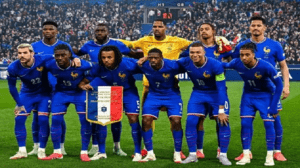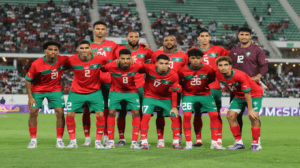
With exactly 100 days remaining until the opening kickoff on June 11, 2026, the FIFA World Cup has stepped into its final, electric sprint. This edition breaks new ground as the first-ever tournament co-hosted by three nations — the United States, Mexico, and Canada. Spanning 16 vibrant cities and their iconic stadiums, the 2026 World Cup is set to become the largest and most inclusive edition in the tournament’s storied history.
A New Era of Unity and Global Celebration
The milestone was celebrated with the dramatic unveiling of the Official Tournament Poster. This stunning piece of artwork masterfully fuses creative visions from artists across all three host countries into one vibrant symbol of unity and shared global excitement. FIFA immediately highlighted the tournament’s unprecedented scale: 104 matches unfolding over five unforgettable weeks, with the grand finale scheduled for July 19 at the MetLife Stadium in New York New Jersey.
For the first time, 48 teams will compete instead of the traditional 32, marking a significant expansion that reflects FIFA’s commitment to making the World Cup truly global. This change promises to deliver more drama, more opportunities, and more unforgettable moments for fans around the world.
Revolutionary Tournament Format Explained
The shift to 48 teams introduces a completely new structure designed to reward more nations for their qualification efforts. Twelve groups of four teams each will battle in a classic round-robin format, meaning every side plays three group-stage matches. The top two teams from each group advance automatically to the Round of 32, joined by the eight best third-placed teams. This creates a full 32-team knockout bracket that guarantees high-stakes action right from the start.
In raw numbers, this format delivers 104 matches in total — dramatically expanding the schedule compared with the 64 games of the 2022 edition in Qatar. The increase of 40 matches, driven largely by the expanded group stage with 72 games in the first phase alone, turns the tournament into a 39-day marathon of football that fans have never witnessed before.
Impact and Debate Around the 48-Team Format
Analytics from earlier tournaments suggest the new rules could spark more upsets than ever before. Teams that post strong defensive numbers, particularly low expected goals against (xGA), now stand a realistic chance of advancing even after drawing or suffering a narrow loss.
Critics argue that the expansion waters down the overall quality and could produce more one-sided early games. However, proponents point to the opportunity it creates for emerging football nations. African and Asian sides that once faced near-impossible odds now have a clearer path to the knockout rounds. This evolution transforms the World Cup from an exclusive club into a genuine global stage where more countries can dream big. History offers encouragement — Morocco’s remarkable run to the semifinals in 2022 proved that disciplined, well-organized teams can achieve greatness under the right conditions.
Global Powerhouses Ready for Battle
Even with the larger field, the usual powerhouses remain clear favourites according to the latest rankings. Spain, Brazil, Germany, England, and defending champions Argentina sit at the very top, carrying the weight of expectation into every training session and tactical meeting.
Argentina continues to ride the wave of Lionel Messi’s genius. Now 38 years old, the legendary captain understands this could be his final dance on the world stage. Brazil, on the other hand, faces an early setback with Rodrygo’s ACL tear likely ruling the Real Madrid star out of the tournament entirely. The squad must now lean even harder on Vinicius Junior’s explosive pace and the creativity of their supporting cast. These challenges highlight how quickly fortunes can shift in a long, physically demanding competition.
Host Nations’ Unique Opportunities and Opening Fixtures
The draw has given the three host nations a strategic edge that feels almost perfectly scripted for maximum drama. Mexico opens the entire tournament against South Africa at the legendary Estadio Azteca in Mexico City. This historic venue now holds the unique distinction of hosting World Cup matches across three different editions — 1970, 1986, and 2026.
Canada will welcome a European playoff winner to Toronto, while the United States Men’s National Team faces Paraguay in Los Angeles. These opening fixtures do more than simply launch the schedule — they instantly ignite home-crowd energy and set a tone of spectacle that will carry through every round of the competition.
USMNT’s Home Soil Dreams Under Pochettino
The real spotlight falls on the United States. Hosting on home turf with a favourable Group D draw (Paraguay, Australia, and a European playoff side) has generated huge optimism. Recent friendlies under coach Mauricio Pochettino have shown promising tactical maturity.
Pochettino has experimented successfully with a 4-2-3-1 shape out of possession that morphs into a fluid 3-5-2 during build-up. This system creates midfield overloads and width on the flanks. Christian Pulisic remains the creative heartbeat, while Tyler Adams anchors the engine room and Folarin Balogun provides a lethal threat up front.
Projected roster lists already feel locked in for key positions, featuring experienced players across all departments. Optimistic voices like Alexi Lalas have boldly declared that the “sky’s the limit,” forecasting at least a quarterfinal appearance if the team tops its group.
Preparations, Challenges, and Infrastructure
Off the pitch, the tournament faces real-world complexities that organizers are addressing seriously. Security teams are running advanced drills, including drone-defense measures, amid regional concerns. Mexican authorities continue to intensify preparations around venues, while U.S. host cities are finalizing infrastructure upgrades to handle the expected influx of international fans.
FIFA President Gianni Infantino has repeatedly expressed full confidence, framing the 2026 World Cup as a powerful force for unity in divided times. Ticket demand has already surpassed 500 million requests worldwide. In response, FIFA has introduced more affordable lower-tier pricing to improve accessibility for fans.
Fan Guide to Maximizing the Experience
For supporters eager to be part of this historic event, preparation is essential. Downloading the official FIFA app or bookmarking the website will help fans lock in the full schedule and mark key fixtures. Analytics platforms such as FBref and WhoScored become invaluable tools for studying team metrics, especially xG differentials that can predict surprise performers.
Travel planning should begin early — securing accommodations near major venues like SoFi Stadium, Mercedes-Benz Stadium, or BC Place is highly recommended. U.S. Soccer has rolled out nationwide activations, including Roster Reveal Parties and Soccer Forward Fests, creating multiple ways for fans to engage with the tournament long before kickoff.
A New Chapter in World Cup History
Whether the story ultimately ends with an emotional farewell for Lionel Messi, a breakthrough deep run for one of the host nations fuelled by passionate home support, or an unforgettable underdog journey from an emerging football nation, one truth stands out clearly.
The 2026 FIFA World Cup will be remembered for its unprecedented scale, its commitment to inclusivity, and its remarkable ability to unite billions of people across continents. The official poster’s imagery of shared colours and intertwined flags perfectly captures the spirit of what lies ahead — history in the making, heartbreak, heroes waiting to be born, and moments that will live forever in the memory of football fans worldwide.
As synchronized countdown clocks tick in Mexico City, New York, and Vancouver, the next 100 days will fly by in a blur of growing anticipation and excitement. Football’s greatest stage is ready to deliver its most ambitious and inclusive chapter yet.
—
**Final Expanded Section**
The road to June 11 has already been filled with memorable qualification battles, surprise results, and rising stars eager to announce themselves on the global platform. With the expanded format giving more teams breathing room, the 2026 World Cup has the potential to produce new legends and rewrite old narratives. As the final preparations accelerate across all three host nations, the entire football world stands united in anticipation of a tournament that promises to be truly unforgettable.