As of **March 4, 2026**, the countdown to **UEFA Euro 2028** has begun to take shape. Scheduled to run from **June 9 to July 9, 2028**, the tournament will be co‑hosted by **England, Scotland, Wales, and the Republic of Ireland**, marking the first pan‑British Isles edition of the European Championship. With **24 teams** set to compete across **nine stadiums in eight cities**, including iconic venues like **Wembley (semifinals and final)**, **Hampden Park in Glasgow**, **Cardiff’s National Stadium of Wales**, and **Dublin Arena**, Euro 2028 promises a unique blend of history, atmosphere, and high‑stakes football. The format mirrors recent Euros: **six groups of four**, with the **top two from each group plus the four best third‑placed teams** advancing to a **16‑team knockout bracket**.
The Road to Euro 2028: Qualification and Hosts
The official qualification path has not yet begun, but the framework is already in place. The **qualifying draw** is scheduled for **December 6, 2026, in Belfast**, with the **group stage** running from **March to November 2027** and the **play‑offs** in **March 2028**. The four host nations—**England, Scotland, Wales, and the Republic of Ireland**—must qualify through the normal process, though **two automatic spots** are reserved for any hosts who fail to make it via the group stage. This structure adds a layer of intrigue: home advantage could be decisive if the hosts navigate the qualifiers under pressure. With each nation eager to perform in front of their own fans, the qualification phase will likely shape narratives of hope, pressure, and national identity.
Spain: The Defending Champions and Euro Dynasty
**Spain**, the **defending champions** after their **2024 triumph over England**, remain the benchmark side heading into Euro 2028. Under the guidance of **Luis de la Fuente**, La Roja have blended youthful talent with tactical maturity, building a team that dominates possession and controls tempo. Names like **Lamine Yamal, Nico Williams**, and **Pedri** have become synonymous with Spain’s modern passing style, while emerging talents such as **Javi Guerra** and **Cristhian Mosquera** are frequently highlighted as the next generation of stars. Recent data shows Spain averaging around **60% possession** and creating high‑levels of **expected goals (xG)** in both **qualifiers** and the **Nations League**. If they can maintain this consistency and avoid major injuries, Spain are strong contenders to achieve a **back‑to‑back title**, a feat previously accomplished only by themselves in **2008–2012**.
France: The Ever‑Present Powerhouse
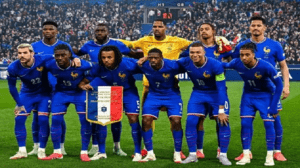
**France** remain one of the most consistent forces in European football and are already viewed as top contenders for Euro 2028. With stars like **Kylian Mbappé** (assuming continued form), **Aurélien Tchouaméni**, **Eduardo Camavinga**, and **Jules Koundé**, Les Bleus boast a blend of attacking explosiveness and defensive solidity. Their recent international campaigns have been defined by **low expected goals against (xGA)** and efficient counter‑attacks, making them dangerous in knockout football. Bookmakers and early projections regularly place France alongside **Spain** and **Germany** as likely qualifiers and deep‑run candidates. For supporters, the narrative centers on whether France can finally reclaim European glory after heartbreak in previous tournaments, using Euro 2028 as a stage to solidify their status as a dominant force.
Germany: Rebuilding Towards a New Era
Following a transitional period after the **2024 Euros**, **Germany** enter the qualifying cycle with a mix of experience and youth. Under manager **Julian Nagelsmann**, Die Mannschaft emphasize **high pressing, fluid transitions**, and positional play. With a strong **Bundesliga pipeline** feeding into the national team, Germany is expected to top their qualifying group with a high win rate. Players like **Joshua Kimmich, Leon Goretzka**, and emerging talents such as **Jamal Musiala** and **Florian Wirtz** form the backbone of a squad that could challenge for the latter stages. The proximity of the host nations also means that many of Germany’s matches will feel like **home‑away affairs**, adding crowd support and logistical advantages. Analysts see Germany as likely to match or exceed their recent performances, potentially reaching the semifinals if they manage to avoid early tournament setbacks.
England: The Hosts and the Weight of Expectation
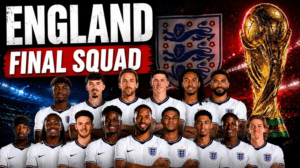
**England** generate the most buzz of the host nations, carrying the weight of **two consecutive heartbreaking final defeats (2020 and 2024)**. The Three Lions’ squad is headlined by a golden core: **Jude Bellingham, Bukayo Saka, Phil Foden**, and **Declan Rice**, with young talents like **Cole Palmer** and **James Maddison** adding depth. Playing at home, England will benefit from the roar of the crowd at **Wembley**, as well as matches in **Manchester, London, and other major cities**, creating a powerful psychological edge. Simulations and fan polls often place England as favorites to finally lift the trophy on home soil, but skepticism remains rooted in past tournament failures under pressure. The debate splits opinion: optimists see the perfect storm of **home advantage and a talented core**, while pessimists fear that expectations could once again overwhelm the squad in key moments.
The Wider Contenders: Portugal, Netherlands, Italy, and Surprise Packages
Beyond the traditional heavyweights, several other nations are expected to challenge for Euro 2028. **Portugal**, led either by **Cristiano Ronaldo in his twilight** or a new generation of stars, remain a constant threat with their attacking flair and experience. **The Netherlands** bring dynamic forwards and a high‑pressing system, while **Italy**, despite recent inconsistencies, retain the pedigree and tactical discipline to disrupt the favorites. Dark horses such as **Serbia** and **Georgia** are increasingly being labeled **“sleeping giants”** in qualifier previews. With strong squads and improving depth, they could reach the finals and cause upsets if they finesse their qualifying campaigns. The presence of these teams ensures that the tournament will be competitive, with surprises highly possible.
How to Prepare for Euro 2028: A Fan’s Guide
For fans gearing up for the long buildup, there are several practical steps to follow the road to Euro 2028. **Monitor the Nations League and friendlies**, which provide early form indicators and tactical insights; UEFA’s official site offers live standings and detailed statistics. Once qualifiers begin in **March 2027**, focus on **group winners (direct qualification)** and **top runners‑up**, while using analytics platforms like **WhoScored** or **FBref** to track **xG, possession, and pressing data**. These metrics help identify over‑ and underperforming teams. **Follow the host nations closely**, as their Nations League rankings influence pot seeding and home advantage. Early bracket simulators on **ESPN** or **UEFA apps** can help build your predictions, factoring in the historical advantage home teams enjoy. Finally, **stay updated on emerging talent** from the **U21 Euros** and club performances, and plan ahead for **ticket sales** through UEFA channels to secure seats in the host cities’ stadiums.
As the **December 2026 draw** approaches, anticipation for Euro 2028 continues to grow. With Spain’s attempt to cement a dynasty, France’s quest for consistency, Germany’s resurgence, and England’s home‑soil redemption story, the stage is set for one of the most competitive and emotionally charged European Championships in recent memory.