Introduction: Legendary Icon vs. Modern Managers
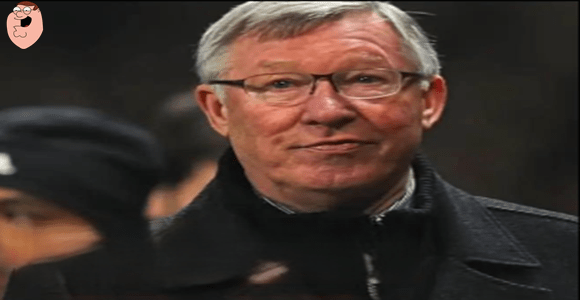
Sir Alex Ferguson stands as the most successful manager in British football history and one of the greatest of all time. The fiery Scottish leader transformed underperforming clubs into champions through iron will, tactical evolution, man-management genius, and relentless ambition. While today’s elite coaches like Pep Guardiola, Jürgen Klopp (in his prime), or Carlo Ancelotti excel with sophisticated tactical systems, data analytics, heavy squad investment, and high-pressing philosophies, Ferguson built enduring dynasties in an era of less financial disparity, intense media pressure, and without modern tools like VAR or extensive sports science. He won a record 49 major trophies, including 13 Premier League titles and two Champions Leagues with Manchester United, and famously ended Aberdeen’s challenge to the Old Firm dominance in Scotland. This post traces his timeline: Glasgow roots, playing days, early managerial steps, Aberdeen revolution, Manchester United empire, and a legacy that continues to define excellence.
Early Life: Govan Shipyards, Working-Class Roots, and a Competitive Fire
Alexander Chapman Ferguson was born on December 31, 1941, in Govan, Glasgow, Scotland, into a working-class family. His father worked as a plater’s helper in the shipyards, and young Alex grew up in a tenement amid the tough, football-obsessed environment of post-war Glasgow. He supported Rangers and developed a fierce competitive edge on the streets and local pitches.
Ferguson left school at 16 to work in the shipyards while playing amateur football. This blue-collar background instilled discipline, resilience, and a no-nonsense attitude that defined his managerial style. Unlike modern coaches often emerging from elite academies or university paths, Ferguson’s early life grounded him in real-world grit and an understanding of working people.
Playing Career: Forward with Ambition but Limited Success
Ferguson turned professional as a striker, starting with Queen’s Park (amateur) before moving to St Johnstone, Dunfermline Athletic (where he was joint top scorer in 1965–66), Rangers, Falkirk, and Ayr United. He scored notable goals but was never a superstar player. His time at Rangers ended bitterly after a cup final loss, an experience that fueled his drive.
He retired in 1974 with a solid but unspectacular record. Coaching badges taken during his playing days prepared him for management. This playing background gave him credibility and insight into dressing-room dynamics that he later mastered.
Early Managerial Steps: East Stirlingshire and St Mirren
Ferguson’s managerial career began in 1974 with East Stirlingshire, a part-time role where he quickly imposed discipline. In 1975, he moved to St Mirren, leading them to the Scottish First Division title in 1977 and establishing a reputation for youth development and tactical organization.
These formative years taught him squad building, motivation, and handling limited resources. His fiery temper and high standards earned respect, though they also created conflicts. By 1978, bigger opportunities beckoned.
Aberdeen Revolution: Ending the Old Firm Monopoly and European Glory
In 1978, Ferguson took charge of Aberdeen, a club overshadowed by Rangers and Celtic. What followed was remarkable: he won three Scottish Premier Division titles (1980, 1984, 1985), four Scottish Cups, and, most famously, the 1983 European Cup Winners’ Cup (beating Real Madrid in the final). Aberdeen also claimed the 1983 UEFA Super Cup.
He broke the Old Firm dominance through intense training, tactical preparation, and player motivation. Stars like Gordon Strachan and Alex McLeish emerged under him. This period proved Ferguson could succeed outside football’s traditional powerhouses and prepared him for the Premier League challenge.
Move to Manchester United: The 1986 Appointment and Early Struggles
In November 1986, Ferguson was appointed Manchester United manager amid a club in decline. Early seasons were inconsistent (11th, 2nd, 11th, 13th), and he faced sack threats. The 1990 FA Cup win (against Crystal Palace) saved his job and marked the turning point.
He overhauled the squad, invested in youth (the famous Class of ’92: Giggs, Scholes, Beckham, Neville brothers), and gradually built a winning culture. By the early 1990s, United were contenders again.
The Glory Years: Premier League Domination and the 1999 Treble
Ferguson’s United won the first Premier League title in 1992–93 and dominated the 1990s with further titles in 1994, 1996, 1997, and 1999. The 1998–99 season was immortal: Premier League, FA Cup, and Champions League (dramatic comeback vs Bayern Munich) — the first English treble.
He rebuilt multiple times: post-1999, the early 2000s with new stars, and the late 2000s with Ronaldo, Rooney, and others, winning more titles (2007–2009, 2011, 2013) and a second Champions League in 2008. His ability to blend youth and experience, handle egos, and adapt tactics (from counter-attacking to possession) was masterful.
Man-Management, Tactics, and the Ferguson Hairdryer
Ferguson was renowned for the “hairdryer” treatment — intense dressing-room blasts — but also deep care for players. He evolved tactically over decades, emphasizing fitness, youth integration, and psychological edge. He managed stars like Cantona, Keane, Beckham, Ronaldo, and Scholes while maintaining control.
Retirement and Later Influence (2013 Onwards)
Ferguson retired at the end of the 2012–13 season after winning his 13th Premier League title. He stayed at United as a director and ambassador. Post-retirement, he has influenced through books, mentoring, and global football commentary. Knighted in 1999, his impact extends far beyond the pitch.
Legacy: Why Ferguson Remains the Benchmark for Modern Managers
Ferguson won 49 major trophies (38 at United), 13 Premier Leagues, 5 FA Cups, 2 Champions Leagues, and more. He holds records for most Premier League titles and longest tenure at one club in the modern era. He developed dozens of stars and turned United into a global commercial powerhouse.
Compared to modern managers: Guardiola’s tactical innovation and City dominance impress, yet Ferguson achieved sustained success over 26+ years with squad rebuilds, financial constraints at times, and without today’s vast transfer budgets or analytics. He thrived in a more cutthroat, less player-power era. Few have matched his longevity, adaptability, and trophy haul.
Sir Alex Ferguson didn’t just manage teams — he built empires, inspired loyalty (and fear), and set standards that still define greatness. From Govan shipyards to Old Trafford glory, his journey embodies relentless ambition and transformative leadership. The greatest manager of his generation, and for many, of all time.