Introduction: Legendary Icon vs. Modern Stars
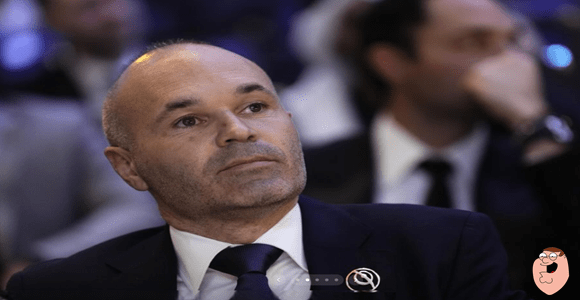
Andrés Iniesta is one of football’s most elegant and intelligent midfielders, a player whose understated brilliance orchestrated some of the greatest team successes in the modern era. With exceptional vision, close control, balance, passing range, and clutch big-game performances, he embodied the essence of Barcelona’s tiki-taka philosophy. While today’s stars like Kevin De Bruyne, Luka Modrić, or Pedri excel with progressive passing, pressing intensity, and data-optimized roles, Iniesta dominated through spatial awareness, timing, and quiet leadership in an era of high-pressing and tactical evolution. He won nine La Liga titles, four UEFA Champions Leagues, two European Championships, and the 2010 World Cup with Spain — scoring the winning goal in the final. This post traces his timeline: humble La Mancha roots, La Masia forging, professional ascent, peak dominance, later adventures, and a legacy of timeless football intelligence.
**Early Life: Fuentealbilla, Family, and Early Talent**
Andrés Iniesta Luján was born on May 11, 1984, in Fuentealbilla, a small village in Albacete province, Castilla-La Mancha, Spain. The son of José Antonio Iniesta and María Luján, he grew up in a modest environment where his father ran a bakery. Young Andrés showed natural talent playing football in the streets and for the local Albacete youth teams from age eight.
At the 1996 Brunete Tournament, the 12-year-old Iniesta impressed scouts. Barcelona, with family connections through coach Enrique Orizaola, invited him to La Masia. Leaving home was emotionally difficult — Iniesta has spoken of crying and feeling homesick — but his parents supported the move that would define his life. Unlike many modern academy prospects arriving with full support systems, young Iniesta faced the challenge of separation and adaptation in a new environment.
**La Masia Development: Forging the Maestro**
At La Masia, Iniesta progressed through the ranks alongside future stars like Xavi, Cesc Fàbregas, and Gerard Piqué. The academy’s emphasis on technical mastery, possession, and understanding space perfectly suited his profile. He captained youth teams and won titles at U-17 and U-19 levels with Spain, showcasing leadership and composure.
Iniesta’s slight build and shy personality belied his footballing intelligence. Coaches noted his ability to control the tempo, find pockets of space, and execute precise passes. By 2001, he was starring for Barcelona B, preparing for the leap to the first team. His growth emphasized tactical awareness and humility over physical dominance.
**First-Team Breakthrough at Barcelona: The Quiet Emergence**
Iniesta made his senior debut on October 29, 2002, at age 18, substituting in a Champions League match against Club Brugge under Louis van Gaal. He gradually earned more minutes during the 2004–05 season under Frank Rijkaard, becoming a regular alongside Xavi.
In 442 La Liga appearances for Barcelona (2002–2018), he scored 35 goals while providing dozens of assists. He helped end Real Madrid’s dominance, winning La Liga in 2004–05 and 2005–06, plus the 2006 Champions League. His importance grew with each season through consistency and big-moment performances.
**Pep Guardiola Era and Peak Dominance: The Heart of Tiki-Taka**
The arrival of Pep Guardiola in 2008 elevated Iniesta to global stardom. As a central or wide midfielder, he formed the perfect midfield trio with Xavi and Sergio Busquets. Barcelona achieved unprecedented success: the 2009 treble (La Liga, Copa del Rey, Champions League), another Champions League in 2011, and multiple domestic titles. Iniesta’s ability to link play, evade presses, and deliver key passes defined the team’s style.
Highlights include his iconic semi-final goal against Chelsea in 2009 and countless masterclasses. He won UEFA Best Player in Europe (2012) and finished high in Ballon d’Or rankings, often as runner-up. In an era of physical midfield battles, Iniesta’s low center of gravity and quick thinking made him nearly impossible to dispossess.
**International Glory with Spain: The Golden Generation**
Iniesta debuted for Spain in 2006. He became central to the golden era under Luis Aragonés and Vicente del Bosque. Spain won Euro 2008, with Iniesta excelling in the final. The pinnacle came at the 2010 World Cup in South Africa: his extra-time goal against the Netherlands in the final secured Spain’s first World Cup title.
He followed with Euro 2012 success (named Player of the Tournament). In 131 caps, Iniesta scored 13 goals and provided many assists. Retiring internationally after the 2018 World Cup, he left as one of Spain’s most decorated players.
**Later Barcelona Years, Move to Asia, and Final Chapter**
Iniesta remained loyal to Barcelona until 2018, winning his final major trophies under various coaches. In 2018, at age 34, he joined Japan’s Vissel Kobe, winning the Emperor’s Cup and J1 League title while maintaining high performance. A final stint with Emirates Club in the UAE (2023–2024) preceded his retirement in October 2024 at age 40.
**Playing Style and Personal Qualities**
Iniesta’s game centered on intelligence, elegance, and humility. He rarely wasted possession, excelled in tight spaces, and delivered under pressure. Off the pitch, his modest demeanor and emotional connection with fans (notably after personal losses) endeared him globally.
**Legacy: Why Iniesta Transcends Current Stars**
Iniesta amassed around 35–38 major trophies, including 9 La Ligas, 4 Champions Leagues, 2 Euros, 1 World Cup, and domestic cups. He made over 900 senior appearances with more than 100 goals and nearly 200 assists. He is Barcelona’s most decorated Spanish player and a FIFA 100 member.
Compared to modern midfielders: De Bruyne’s vision or Modrić’s longevity impress, yet few combined Iniesta’s consistency, big-game heroism (World Cup final goal, multiple Champions League moments), and seamless integration into a possession-dominant system without relying on physicality or set pieces. He succeeded in an era of intense tactical scrutiny with minimal flair for show.
Andrés Iniesta didn’t need spotlight theatrics — his football spoke through perfect touches and decisive contributions. From the small village of Fuentealbilla to La Masia, Camp Nou glory, and global triumph, “El Cerebro” (The Brain) exemplified intelligence, loyalty, and beauty in the game. His legacy reminds us that true mastery often lies in subtlety, timing, and team harmony. The maestro’s touch remains one of football’s finest examples of elegance and effectiveness.