Introduction: Legendary Icon vs. Modern Stars
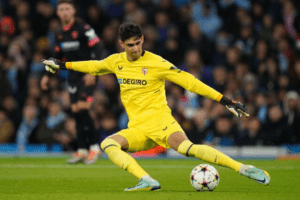
Badou Zaki (Ezzaki Badou) stands as one of Africa’s and the Arab world’s greatest goalkeepers, a commanding presence whose reflexes, positioning, and leadership helped elevate Moroccan and African football on the global stage. Towering at 1.88m with exceptional shot-stopping ability and calmness under pressure, he excelled in an era of physical, low-scoring battles without modern protective rules or advanced analytics. While today’s stars like Alisson Becker, Ederson, or Thibaut Courtois benefit from high defensive lines, data-driven training, and specialized coaching, Zaki thrived through raw instinct, courage, and authority in a more traditional, punishing game. He captained Morocco to their historic 1986 World Cup round of 16, won the 1986 African Footballer of the Year as the first Arab recipient, and enjoyed a stellar club career with Wydad AC and Mallorca. This post traces his timeline: humble beginnings, rapid growth, professional dominance, international glory, and enduring legacy.
**Early Life: Sidi Kacem Roots and a Chance Beginning**
Ezzaki Badou was born on April 2, 1959, in Sidi Kacem, a town in northern Morocco. Growing up in a modest environment, football became his passion early on. Like many African legends of his generation, he played street football and developed fundamental skills on basic pitches with limited resources.
Zaki initially did not set out to be a goalkeeper. His entry into the position came somewhat by chance around 1976 while playing for AS Salé’s reserve team. His height, athleticism, and quick reflexes soon marked him as a natural between the posts. Unlike modern goalkeepers who train with specialized coaches from childhood using video analysis and high-tech equipment, young Zaki honed his craft through repetition, observation, and raw determination in local Moroccan football.
**Youth Development and AS Salé: First Steps**
Zaki began his senior career with AS Salé in 1976–1978. These early years provided vital experience in domestic competitions, where he built a reputation for commanding his area and making crucial saves. His performances caught the attention of bigger clubs, leading to a move to Wydad AC (Wydad Casablanca) in 1978 — one of Morocco’s most prestigious teams.
This transition marked the start of his professional growth. At Wydad, under structured coaching and alongside talented teammates, Zaki refined his technique, aerial ability, and distribution. Morocco’s domestic league offered tough competition that built his resilience.
**Wydad AC Dominance: Club Legend and Domestic Success**
Zaki spent eight highly successful seasons with Wydad Casablanca (1978–1986), making a remarkable 344 appearances and scoring one goal (from a penalty). He helped the club secure multiple Botola (Moroccan league) titles, including in 1977–78 and 1985–86, along with several Coupe du Trône (Moroccan Cup) victories in 1978, 1979, and 1981, and the Mohammed V Cup in 1979.
As Wydad’s undisputed No. 1, Zaki became known for his shot-stopping prowess, command of the penalty area, and leadership. In an era without goal-line technology or VAR, his ability to organize defenses and make spectacular saves earned him repeated Moroccan Player of the Year and Goalkeeper of the Year honors. His time at Wydad established him as a national icon and prepared him for European football.
**Move to Mallorca: Breaking Barriers in La Liga**
In 1986, following his World Cup heroics, Zaki transferred to RCD Mallorca in Spain’s La Liga — a pioneering move for an African goalkeeper at the time. He made 190 appearances over six seasons, becoming a fan favorite for his consistency and bravery.
He helped Mallorca reach the 1991 Copa del Rey final (runners-up) and earned the Ricardo Zamora Trophy (best goalkeeper in La Liga) recognition in multiple seasons, notably excelling in 1988–89, 1989–90. Adapting to the faster, more tactical European game while facing elite strikers tested and elevated his skills. Zaki’s presence helped raise the profile of African players in top European leagues.
**International Career: The 1986 World Cup Hero**
Zaki earned around 78–118 caps for Morocco (figures vary by source) between 1979 and 1992. He participated in four Africa Cup of Nations tournaments and the 1984 Olympics.
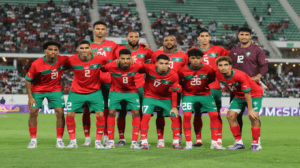
His crowning achievement came at the 1986 FIFA World Cup in Mexico. As captain, Zaki led Morocco — the first African/Arab team to advance from the group stage — through a tough “Group of Death” featuring England, Poland, and Portugal. They topped the group unbeaten before falling to West Germany in the round of 16. Zaki’s heroic performances, including crucial saves, earned him the 1986 African Footballer of the Year award (first for an Arab player and second African goalkeeper overall).
His leadership and shot-stopping against world-class attackers cemented his status as a pioneer who opened doors for future African talents.
**Later Club Career and Retirement**
Zaki returned to Morocco in 1992, playing a final season with FUS Rabat (1992–1993) before retiring. His club career spanned approximately 17 years with over 600 appearances, marked by consistency and excellence across continents.
**Post-Playing Career: Coaching and Continued Influence**
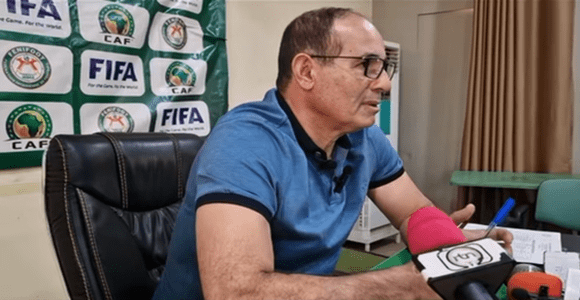
Transitioning to management in 1993, Zaki coached numerous clubs including Wydad AC (multiple spells), Moroccan national team (several periods, reaching an Africa Cup of Nations final), and sides in Algeria, Sudan, and elsewhere. As of recent years, he has managed Niger’s national team. His coaching philosophy emphasizes discipline, organization, and goalkeeping mastery.
**Legacy: Why Badou Zaki Transcends Current Stars**
Badou Zaki won domestic titles with Wydad, reached a Copa del Rey final, earned multiple Moroccan player/goalkeeper honors, the 1986 African Footballer of the Year, and recognition as one of the best Arab and African goalkeepers of the 20th century by IFFHS. He captained Morocco to their greatest World Cup achievement until recent years.
Compared to modern goalkeepers: Courtois’ reflexes or Ederson’s distribution draw parallels, yet Zaki succeeded with fewer protections, basic equipment, and in an era when goalkeepers faced more physical challenges and less tactical support. As a pioneer, he proved African keepers could excel in Europe and lead at World Cups.
Badou Zaki embodied resilience, leadership, and excellence. From the streets of Sidi Kacem to La Liga and World Cup glory, “The Wall” inspired generations across Africa and the Arab world. His story highlights football’s power to transcend borders and the enduring impact of pioneers who break barriers with skill and character. The Moroccan legend’s legacy as a guardian of the goal remains unbreakable.